
 Body text size:
Progression of tooth decay and treatment methods
If the cavity is very small in the early stages, it may be cured (remineralized) by brushing,If symptoms progress, they will not improve without treatment, and the disease will not heal naturally.Therefore, early treatment is very important.
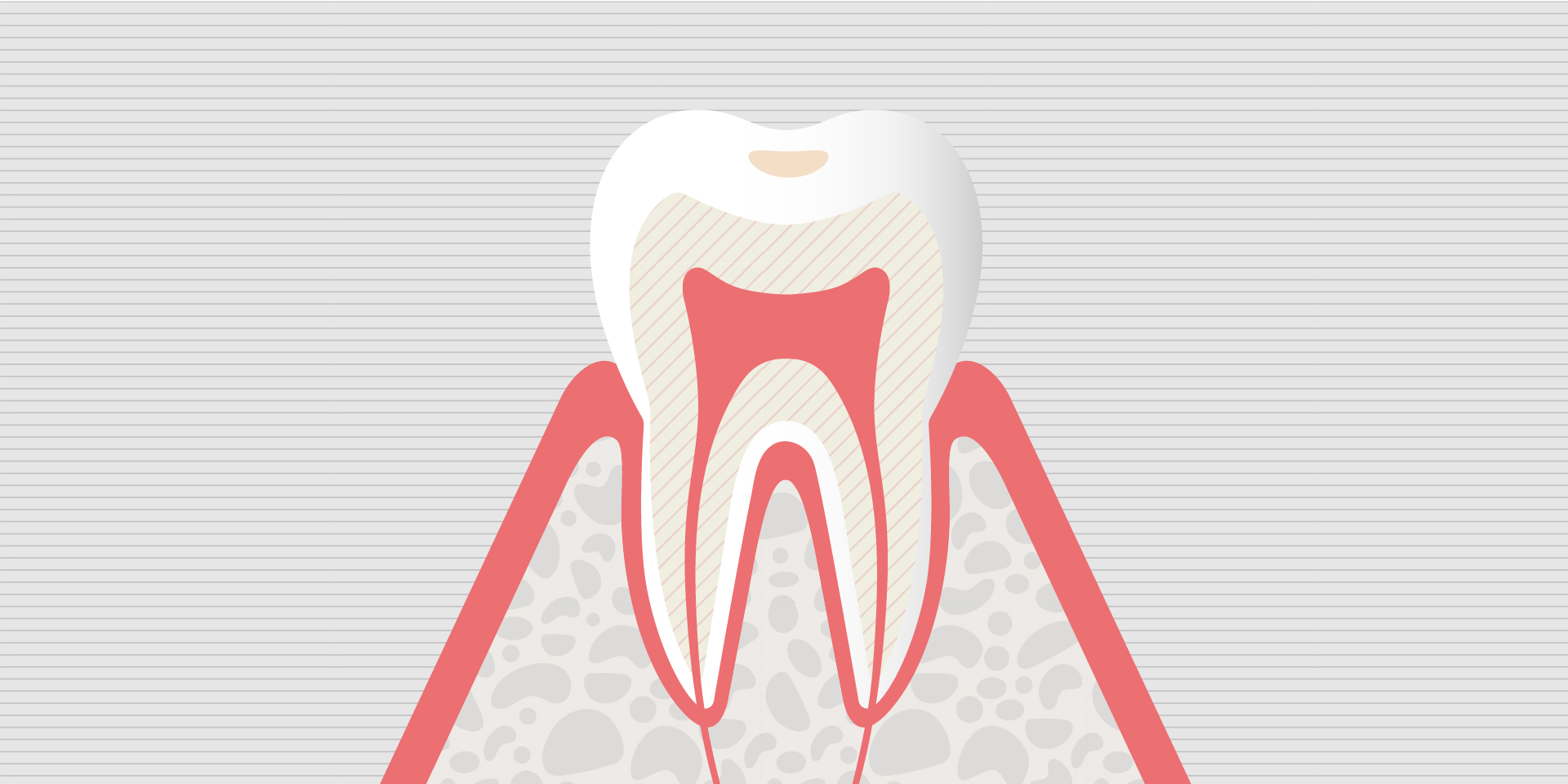
C0 |Decalcification
The enamel on the surface of the teeth has slightly dissolved, making them appear cloudy.There are no subjective symptoms such as pain.Proper brushing can sometimes help heal (remineralize).
Regular checkups and brushing can help remineralize your teeth.
C0 is a state where there are few caries bacteria and the teeth can be remineralized. However, there is a risk that remineralization will not occur and the tooth will progress to C1 (enamel caries).Maintain your C0 status by visiting the dentist regularly.

C1 |Tooth enamel caries
The enamel has dissolved and the surface of the tooth has turned black. There are no subjective symptoms such as pain yet.Treatment involves removing the decayed area and filling it with plastic (resin) international success.
We recommend direct bonding treatment (private treatment) which allows treatment without grinding the teeth as much as possible.doing.
Early treatment allows for less pain
Treatment at C1 stage is almost painless as only the surface of the tooth is scraped slightly. Treatment beyond C1 may require anesthesia, soEarly detection and early treatment are paramount.

C2 |Dentin caries
A condition in which tooth decay has progressed to the dentin beneath the enamel.My teeth hurt when I eat cold or sweet things.Treatment involves drilling out the decayed area and filling it with an inlay.
As with treatment for C1We recommend direct bonding treatment (private treatment) which allows treatment without grinding the teeth as much as possible.doing.
If you are in pain, please see a doctor as soon as possible.
This is tooth decay that occasionally causes pain in daily life. If it progresses further and causes chronic pain, the number of treatments required will increase significantly, so we recommend that you see a dentist as soon as possible.

C3 |Cavities that have reached the nerve (severe)
A condition in which tooth decay has reached the nerve.Severe throbbing pain even when not doing anythingA treatment is performed to remove the nerve (root canal treatment), and a crown is placed to restore function.
Don't endure the pain, come see us
This is the state where the bacteria has reached the nerve (tooth pulp). If left untreated, pus will form at the base of the tooth, requiring long-term treatment.

C4 |Cavities that have reached the root of the tooth (late stage)
The nerve has died and decay has reached the root of the tooth.If root canal treatment is unable to save the tooth, extraction is requiredYou should then consider implant treatment, bridge treatment, or denture treatment.
Not only can it cause tooth decay, it can also affect the whole body.
If the nerve (tooth pulp) is dead,I'm no longer in pain but I'm not cured.If left untreated, the bacteria can reach the jawbone and cause high fever or other illnesses.
Generally, treatment is covered by insurance.
Cavity treatment can be covered by insurance. The cost varies depending on the progression of the cavity. For early stage cavities (C1), the cost is about 2,000 to 4,000 yen if you are responsible for 2% of the cost. If it reaches C3 or C10,000, the cost is about 20,000 yen, and if it reaches the nerve, it can be about XNUMX yen. We propose treatment according to the patient's request, so if you have any questions or requests, please feel free to contact our staff.
The following treatments are covered by the private medical insurance

Direct Bonding
A composite material (composite resin) made of 80-90% ceramic particles solidified with resin is strongly bonded to the tooth to reproduce the shape and color of the tooth. This bonding technology eliminates the need to grind the tooth down to insert a filling or to attach a cap, so treatment can be completed by simply removing the area affected by decay. It is not too hard compared to natural teeth, and has almost the same strength, and a beautiful finish can be achieved.
Estimated treatment costs
From 30,000 yen/tooth *Treatment costs vary slightly depending on the clinic.
Precision Root Canal Treatment
When the cavity progresses to the stage where it reaches the nerve, called C3, it becomes impossible to save the tooth by treating it with a standard cavity treatment of "cutting it down and putting in a cap or filling." In this case, "root canal treatment" is a method that removes the contaminated pulp in the root canal, treats the cavity, and saves the tooth. Even if the cavity is deep and you are told that you need to have the tooth extracted, there are cases where you can save the tooth by treating the root with root canal treatment without extracting it. Root canal treatment can also be covered by insurance, but for those who want to increase their success rate with fewer treatments, we recommend root canal treatment (precision root canal treatment) which is available as an elective treatment.
Coverings and fillings for private medical treatment
If you are looking for more functional and aesthetically pleasing crowns and fillings, you can choose private treatment. Our group has a dedicated dental laboratory department, World Lab, where dental technicians work closely with dentists and can directly check the patient's condition, making it possible to provide highly accurate crowns and fillings.